- Argomento
- Scienza e Ricerca
Il contributo di Speak4Nature durante il dialogo internazionale promosso dall’Assemblea Generale delle Nazioni Unite per il Mother Earth Day
Lunedì 24 aprile 2023 il professor Rodrigo Míguez Núñez (DISSTE), principal investigator del progetto internazionale sulla giustizia ecologica Speak4Nature, di cui UPO è capofila, è intervenuto alle Nazioni Unite, a New York, durante il dodicesimo “Interactive Dialogue to Commemorate International Mother Earth Day”.
Di Leonardo D'Amico
Data di pubblicazione
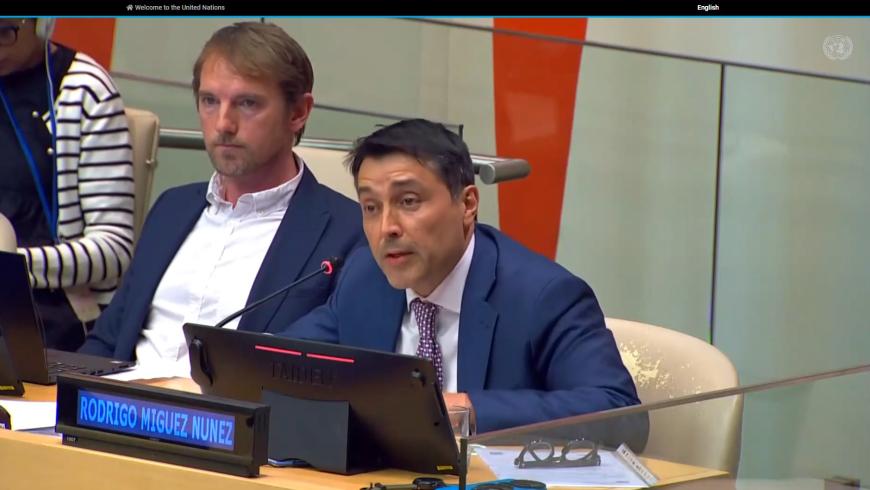
credits © United Nations General Assembly
Lunedì 24 aprile 2023 il professor Rodrigo Míguez Núñez (DISSTE), principal investigator del progetto internazionale Speak4Nature, di cui l’Università del Piemonte Orientale è capofila, è intervenuto nella sede delle Nazioni Unite, a New York, durante il dodicesimo “Interactive Dialogue to Commemorate International Mother Earth Day”.
Speak4Nature vuole accrescere e favorire lo studio, lo scambio e la diffusione di conoscenze su temi legati alla “giustizia ecologica” e all’“ecologia del diritto”, contribuendo al miglioramento degli standard e delle politiche di giustizia climatica.
Riportiamo di seguito l’intervento integrale del professor Míguez Núñez che è possibile rivedere anche sul sito dell’Assemblea Generale ONU a questo link (dal minuto 28:00 al minuto 32:00).
Distinguished Madame Moderator, Distinguished delegates, Dear Ladies and Gentlemen,
I’d like to express my gratitude for this honorable invitation and use this extraordinary opportunity to briefly comment on the work that I’m doing with the collaboration of my colleagues in academia and the support from the European Union.
I’m professor of private law at the University of Eastern Piedmont in Italy, and I represent a consortium of nine forefront academic and non-academic institutions based in Europe and Latin America that is currently implementing the project entitled: “Speak 4 Nature: Interdisciplinary approaches on ecological justice”.
The project has been funded for the years 2023-2027 by the European Commission, and its specific object is to transfer knowledge on the topic of “ecological justice”, an alternative paradigm of legal theory where nature is no longer simply “a factor” of justice but an actor that “receives” it.
The existence itself of our project is a sign of the growing interest in fostering research into legal cosmologies that are alternatives to the hegemonic model that treats nature as a mere object of human needs.
In this regard, the European Union is putting in place a number of strategic instruments aimed at recognizing the interdependence of human and non-human nature and the equivalence of their values.
One example of this effort is the European Union Biodiversity Strategy for 2030, which is framed in a holistic vision of the Sustainable Development Goals. Another one is the 8th Environment Action Programme, which reiterates the European Union’s vision of living well, but within planetary boundaries.
These are just a few examples of the actions that are being carried out in Europe to promote new epistemologies in line with the perspective that the United Nations is supporting through this interactive dialog.
The Earth-centric approach that brings us together today needs a clear universal language. It is about acting “as one”, but with the caveat that the universal emerges from the plurality of ways of understanding our relationship with the Earth-system.
Speak4Nature’s project recognizes that plurality. Our purpose is to build a common theoretical and empirical language, based on collaboration and openness towards cultural and political diversity, to improve the eco-centric dialogue between the social and environmental sciences and between sciences and civil society.
I have taken the time to briefly explain our project because I believe that this is a precious opportunity to generate synergy with the work that the United Nations develop within the Harmony with Nature program and the upcoming Earth Assembly.
If we need to act now and as one, I would like to conclude by putting at the disposal of this Assembly, and of the Earth Assembly process, the knowledge and resources of the consortium I represent to strengthen the scientific basis of our common cause: the guardianship of and the justice for the Earth we inhabit.
I thank you for your attention.
- Tag
- Diritto privato
Ultima modifica 26 Aprile 2023
Leggi anche
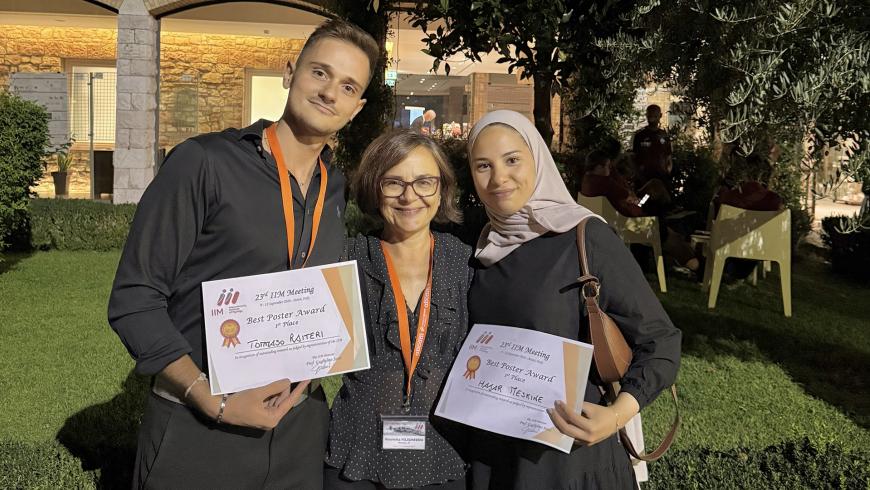
Due giovani ricercatori UPO premiati al meeting dell’Interuniversity Institute of Myology
Hajar Meskine e Tommaso Raiteri si sono aggiudicati ex aequo il primo premio per il miglior poster. I loro studi indagano gli effetti della dieta occidentale sul benessere muscolare e possibili strategie nutrizionali per contrastarli
- Argomento
- Scienza e Ricerca
Data di pubblicazione 16 Settembre 2026
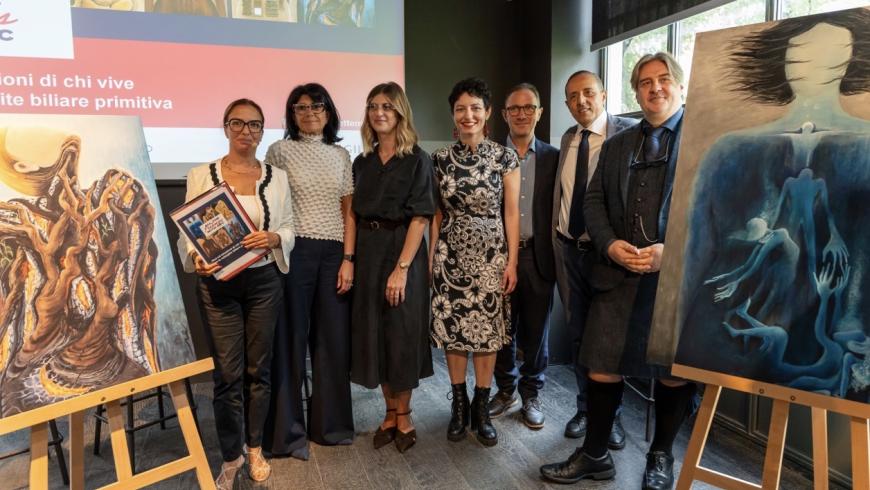
Colangite biliare primitiva: UPO in prima linea dalla ricerca alla cura
La professoressa Cristina Rigamonti protagonista della campagna “All the Feelings with PBC”. Tra le iniziative, un progetto internazionale sulla malattia avanzata e un programma di screening per favorire la diagnosi precoce.
- Argomento
- Scienza e Ricerca
Data di pubblicazione 15 Settembre 2026
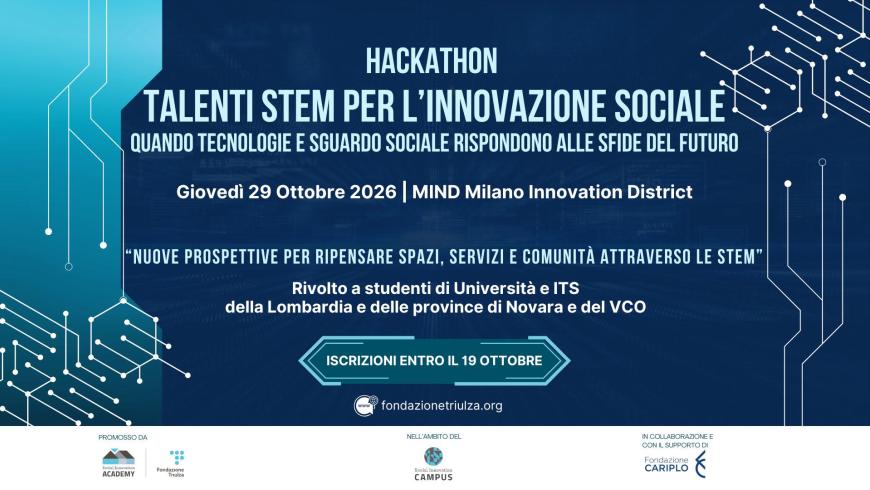
Hackathon Talenti STEM per l’Innovazione Sociale: quando tecnologie e sguardo sociale rispondono alle sfide del futuro
Rivolto a studenti delle Università e degli ITS della Lombardia e delle province di Novara e del VCO, l'Hackathon consente l'opportunità di presentare i progetti a esperti del Terzo Settore.
Le iscrizioni si chiuderanno 19 ottobre, con l'evento finale, dieci giorni più tardi, presso il MIND Milano Innovation District.
- Argomento
- Scienza e Ricerca
Data di pubblicazione 15 Settembre 2026
Ricerca internazionale e formazione d'eccellenza: l'Università del Piemonte Orientale protagonista della Summer School PROSTAMET
L'evento ha visto un forte coinvolgimento dell'Università del Piemonte Orientale, grazie all'impegno organizzativo di Davide Ferraris, professore associato di Biochimica presso il Dipartimento di Scienze del farmaco. La Summer School si inserisce all'interno delle attività del Marie-Curie Training Network, un'iniziativa di eccellenza finanziata dall'Unione Europea.
- Argomento
- Scienza e Ricerca
Data di pubblicazione 15 Settembre 2026